Handmade Alliances Along the Mountains and the Sea

Today we explore community-supported craft economies and cooperative markets weaving connections throughout the Alps–Adriatic corridor, from alpine valleys to coastal squares. Meet makers, neighbors, and traveling marketplaces that share risk, celebrate heritage, and build livelihoods through subscriptions, preorders, and caring relationships across borders and languages.

Shared Subscriptions That Keep Kilns Warm

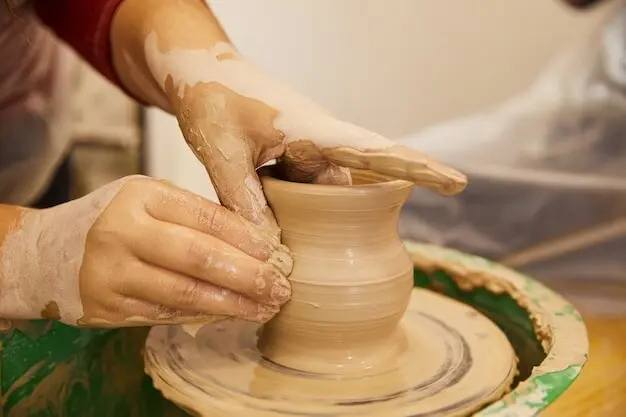
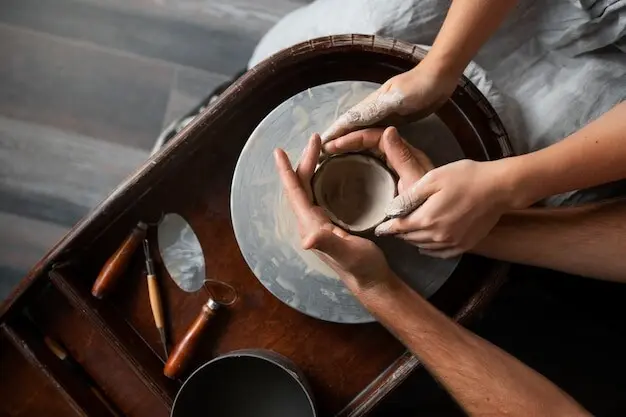
Members commit to seasonal boxes of small-batch works—cups, bowls, notebooks, carved spoons—delivered or picked up at cooperative stalls. Predictable batches let artisans optimize firings, reduce waste, and experiment fearlessly. Surprise notes inside each parcel carry process sketches, glaze tests, or community invitations that turn parcels into conversations.

Preorder Cycles That Respect Festivals and Seasons

Instead of frantic last‑minute production before winter markets, cooperatives schedule preorder windows tied to solstices, harvest fairs, and school holidays. Customers reserve pieces early, choose finishes, and understand lead times. Makers pace work to wellness, celebrate milestones together, and deliver with stories about rain, woodgrain, and shared patience.

Repair and Mutual Aid Circles

When a lathe breaks or a family emergency interrupts production, mutual aid funds, time‑bank hours, and tool libraries bridge the gap. Volunteers staff weekend pop‑ups, mentors share jigs, and local cafés host raffles. Customers feel like co-creators, not buyers, celebrating fixes as victories rather than delays or defects.

Cross-Border Markets That Feel Local Everywhere

Pop‑Up Fairs on Railway Squares

Travelers step off regional trains into canopies of linen banners, multilingual signs, and the smell of beeswax polish. Co-ops coordinate schedules with station managers, ensuring accessibility and safety. Short dwell times spur playful displays, quick demos, and QR links to order larger works shipped sustainably after the journey home.

Co‑op Hubs in Historic Town Halls

Many municipalities invite makers into underused chambers, offering fair rents, storage, and shared ticketing with museums. Visitors wander from exhibitions to working benches, hearing lathes hum beside frescoed walls. Revenue splits are transparent, heritage-sensitive, and reinvested into apprenticeships, lighting, acoustics, and public programming that welcomes curious school groups.

A Basket from Tolmin Finds a Home in Trieste

One rainy Saturday, a commuter paused at a stall, touched a dew‑speckled willow basket, and listened to the maker recall river hikes and fingertips stained by bark. The shopper returned weeks later, smiling, basket in hand, filled with persimmons and a new Saturday rhythm.

Living Heritage, New Apprenticeships

Skills passed between generations thrive when paired with fair stipends, shared studios, and cooperative marketing. Lace, joinery, felt, and clay techniques adapt to modern tools without losing soul. Apprentices track hours, learn pricing, and present collections together, celebrating both tradition and the brave tweaks that make everyday use delightful.

Governance That Feels Like a Kitchen Table

Simple bylaws, clear roles, and one‑member‑one‑vote practices turn meetings into problem‑solving circles rather than performances. Rotating chairs, posted minutes, and open budgets grow trust. When a debate erupts—new stall or new wheel—members test assumptions with data, share tea, and leave deciding together, not winning against friends.

Routes, Materials, and Climate‑Smart Deliveries

Short supply chains honor landscapes and schedules. Clay, wool, hemp fiber, and local woods are mapped to workshops, with shared purchasing and storage reducing waste. Deliveries favor trains, e‑cargo bikes, and ride‑shares after markets. Customers choose slower shipping with storytelling updates that explain timing, care, and environmental kindness.

Material Maps That Respect Places

Members document sources carefully: hillside sheep flocks, sustainably managed beech stands, river‑adjacent clay pits, and cooperative dye gardens. Notes include caretaker names, extraction rhythms, and rest periods for landscapes. Buyers learn why supply pauses matter, joining stewardship by preferring repair, seasonal availability, and designs that waste almost nothing.

Low‑Carbon Deliveries with Human Faces

After market day, makers consolidate parcels at hub cafés, print shared labels, and hand them to cyclists or station agents for train transfer. Tracking links show routes and people involved. Recipients greet familiar couriers, wave thanks, and post unboxings that praise patience, minimal packaging, and the dignity of slowness.
Packaging That Becomes Part of the Gift

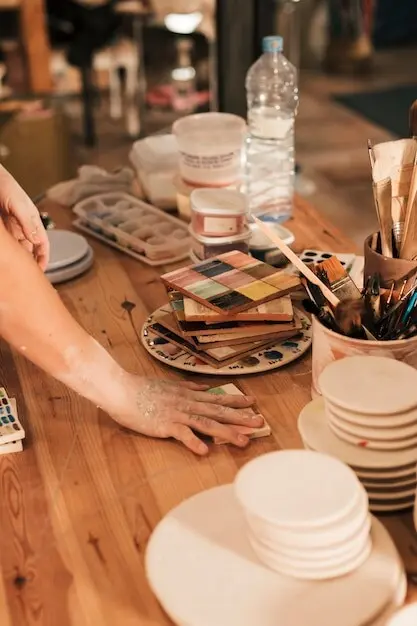
Boxes are stitched from repurposed exhibition banners, cushioned with wool offcuts and handwritten care cards. Return labels invite reuse. Many buyers keep the containers as desk trays or travel pouches, remembering the journey each time they reach for a pencil, spoon, or quietly mended hinge.
Participation: From First Purchase to Lifelong Stewardship

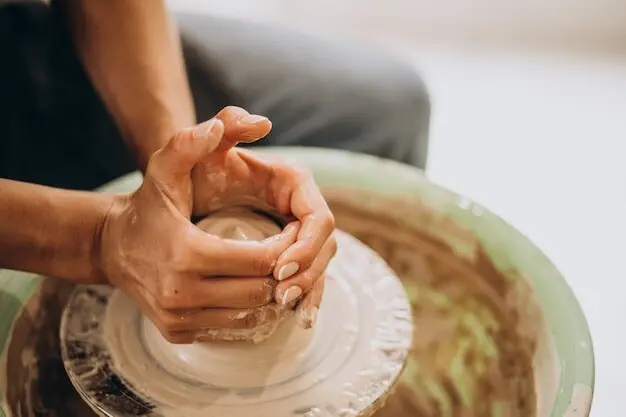
You can join by subscribing to seasonal boxes, pledging micro‑shares, visiting traveling markets, or volunteering translation, photography, and hosting. Share your favorite maker stories, suggest routes, and bring friends. Collective economies flourish when people show up consistently, ask kind questions, and enjoy useful, beautiful objects made with regional care.
Start small with a quarterly share or sponsor a tool maintenance day. Attend a studio visit, ask how a glaze craze was solved, and learn the difference between hardwoods by touch. Introduce yourself kindly; relationships, like dovetails, strengthen with time, patience, and gentle pressure applied in the right places.
Partner with a library, school, or community garden to welcome a compact cooperative stall. Provide tables, power, and cheerful signage; we will bring benches, demonstrations, and insurance. Neighbors discover local skills, swap repair tips, and leave with objects that remind them daily of people, places, and practical generosity.
Subscribe for updates about routes, open studios, apprenticeship calls, and behind‑the‑scenes process notes. Comment with questions or share photos of objects in use. Your replies guide programming and commissioning, helping the network adapt with grace while staying rooted in care, craftsmanship, and neighborly cross‑border collaboration.
Pentozentosanolivomira
Privacy Overview

This website uses cookies so that we can provide you with the best user experience possible. Cookie information is stored in your browser and performs functions such as recognising you when you return to our website and helping our team to understand which sections of the website you find most interesting and useful.