Material Journeys: From Peaks to Shores

Today we step into ‘Materials of Place: From Alpine Wool and Stone to Adriatic Olive Wood,’ tracing how altitude, climate, and coastal light shape texture, color, scent, and durability. Expect practical insights, maker stories, and design principles grounded in real landscapes, inviting you to touch memory through fiber, grain, and rock while considering stewardship, craft ethics, and the quiet intelligence of materials gathered with care from mountain pastures to sunlit groves.

Mountain Air Woven Into Warmth

Alpine wool carries the rhythm of grazing bells and weather that changes in a breath. Crimp traps air, lanolin resists drizzle, and centuries of herding have shaped resilient fibers and resilient communities. Explore how fleece becomes garments, acoustic panels, and cozy architectural layers that keep a home breathing, warm, and whisper-quiet, while honoring the hillsides that grew each strand. Feel the difference between commodity fiber and a skein whose path you can literally walk.

Stone That Remembers Ice

Alpine stone carries glacial grammar—striations, fractures, pressure shadows—that teach us where strength lives. Granite, gneiss, and limestone tell different structural and tactile stories, from crisp arrises to soft, chalky edges. Stone grounds rooms, moderates temperature, and holds light with humility. Learning to read grain and bedding planes is not merely technical; it is conversational, a respectful listening that prevents waste, elevates craft, and allows walls to feel inevitable rather than imposed.

Reading Strata for Strength and Story

A mason’s eye follows bedding lines the way a reader follows sentences. Set with the grain for lasting strength; cross it only when the load path agrees. Fossils in limestone and feldspar flashes in granite become subtle ornament. Off-cuts can become thresholds, benches, and sills, keeping quarry scars small. When you honor how the mountain wrote the stone, joints vanish, mortar whispers, and a room gains the steady silence of snow after wind.

Dry-Stone Walls as Moving Lines

Dry-stone walling, recognized by UNESCO as intangible cultural heritage, threads the Alpine and Mediterranean landscapes with patience and gravity. No mortar, only fit, hearting, and capstones that shed rain like a good hat. These walls flex with frost and heat, shelter lizards and herbs, and map centuries of labor. Building one teaches proportion by touch, teaches drainage through listening, and teaches humility, because every misread stone tells on you when winter returns.

Polish, Patina, and the Passage of Time

Finishes should not erase history. A honed surface welcomes hand oils, while a split face keeps its quarry echo. Seal only where needed, and let thresholds polish naturally under footsteps. Limewash over limestone glows like mist and breathes with the day. Celebrate chips as annotations rather than defects, because a stone surface that grows more legible with years becomes a calendar of ordinary joys—coffee cups set down, windows opened, firewood stacked and shared.

Olive Wood Carved by Salt and Sun

Along the Adriatic, wind salts leaves, cicadas keep time, and olives knot wood into luminous ribbons of honey and smoke. Groves yield fruit and, through careful pruning, dense timber with a fragrance like warm bread. Craftspeople turn offcuts into utensils, handles, inlays, and small sculptures that glisten under food-safe oils. Grain swirls tell of droughts survived, rainstorms welcomed, and harvests shared, bringing tableware that remembers evenings long after dishes dry.

Cultivating Longevity in Groves

Centuries-old trees thrive when pruning respects sap flow and sun patterns. Deadfall and storm snaps become wood stock, sparing living trunks. Co-ops organize selective harvests, compost pomace, and protect soil with grasses that cool roots. Agronomists monitor borers, shepherds graze understory, and neighbors share presses when fruit ripens together. When craft follows stewardship, every board sings of patience, and every spoon begins as a promise to care for shade before carving shadows.

From Pruning Pile to Heirloom Spoon

The journey starts with a knotty branch saved from chipping. Careful seasoning prevents checks; a bandsaw reveals flame-like figure that inspires form. Carving proceeds with sloyd knife and hook knife, every curl releasing peppery scent. Sanding refines curves the palm understands before the eye approves. Finished with food-safe hardwax or polymerizing walnut oil, the utensil resists moisture and keeps flavors true. Years later, a darkened handle tells stories of soups, stews, and laughter.

Finishes that Feed, Not Seal

Choose finishes that nourish fibers rather than entomb them. Hardwax oils, beeswax, and polymerizing plant oils sink into olive wood’s tight grain, highlighting figure while letting repairs remain simple. Avoid non-drying kitchen oils that can go rancid. Refresh seasonally with a warm cloth and patience. A finish should be a relationship, not an event, allowing utensils to grow smoother with use, safer with care, and lovelier with the small abrasions of everyday meals.

Meeting of Materials Across a Map

{{SECTION_SUBTITLE}}

Palette Building with Elevation and Coast
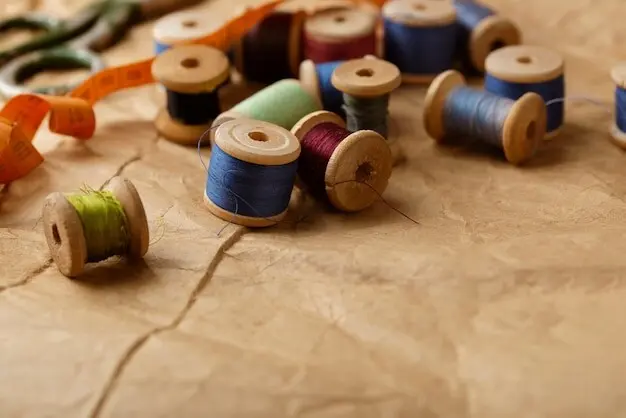
Begin with geology and climate rather than trend boards. Cool greys and glacier whites anchor stone, while wool brings cloud-soft heathers and late-summer meadow greens. Olive wood contributes honeyed depths and occasional smoky streaks. Accent thoughtfully: iron like mountain rails, linen like sea haze. Restrain varnish shine so textures breathe. When palettes echo real places, even a compact apartment can feel expansive, as if windows opened onto ridgelines at dawn and coves at dusk.

Tactility as a Design Brief

Design with fingertips, not only elevations. Ask where a child’s hand will rest, where a tired back will lean, where a kettle will bump. Wool pads soften acoustics near stone fireplaces; olive handles invite grip on cool mornings. Edges chamfered to thumb radius reduce fatigue and invite affection. Prototype with offcuts and blindfold tests. When touch leads decisions, maintenance simplifies, wear becomes character, and spaces learn to welcome rather than impress from a distance.

Stories from Makers Along the Route

Craft lives in hands and calendars: lambing weeks, thaw windows, olive harvest festivals, and the stubborn patience of stone seasons. Personal stories carry the lessons that manuals miss—what to do when a storm surprises, how to mend when tools fail, why pausing for coffee can save a wall. Meet people who measure success not only in sales, but in the steadiness of a hillside and the return of swallows each spring.

Footprints Measured Beyond Numbers

Metrics matter, but stories complete them. A low-carbon material shipped across oceans may out-emission a heavier one sourced nearby by rail. Include social impact: shepherd pay, quarry safety, grove biodiversity. Plan material yield so offcuts become trivets, hearth seats, or loom shuttles. Publish care guides to extend life. When you weigh emissions, livelihoods, and longevity together, choices become clearer: fewer materials, better chosen, more deeply understood, with maintenance planned as generously as launch day.

Longevity as the Lightest Choice

The greenest object may be the one never replaced. Specify stone thresholds that welcome decades of traffic, wool textiles with replaceable patches, and olive handles designed to be unscrewed, refinished, and returned to service. Teach clients to celebrate patina, not fear it. Offer periodic tune-ups—re-oiling, reblocking, restitching—as rituals of care. When objects mature gracefully, sentimental value rises, landfill trips fall, and the quiet arithmetic of endurance starts outpacing the noise of constant novelty.

Map Materials within a Day’s Walk

Circle the radius you can cover by foot or train in a day. Note pastures, mills, quarries, salvage yards, and groves. Photograph textures, track contact names, and mark seasons for shearing, blasting pauses, and pruning. Your palette will emerge naturally, weighted by what your body can reach. Post your first findings and ask readers to suggest hidden sources, creating a living atlas that trades trend-chasing for neighborly discovery and grounded, repeating supply lines.

Build Alliances with Farmers and Millers

Knock on doors with humility and a thermos of coffee. Offer to help muck, stack, or sort in exchange for knowledge. Visit scouring lines, hear about lanolin recovery, and learn why certain micron counts suit certain garments or insulation panels. Put agreements in writing that honor labor and seasonality. When storms hit or markets wobble, stand by partners. Strong alliances turn materials into relationships, and relationships into designs that keep people warm while keeping fields cared for.
Pentozentosanolivomira
Privacy Overview

This website uses cookies so that we can provide you with the best user experience possible. Cookie information is stored in your browser and performs functions such as recognising you when you return to our website and helping our team to understand which sections of the website you find most interesting and useful.